


Top 5 Saltwater Jigging Reels Tested: Performance vs Price — Reel in Big Catches Without Breaking the Bank
Fishing buddies, let’s cut to the chase: not all saltwater jigging reels are created equal. I learned this the hard way years back—lost a 50-pound cobia because my cheap reel couldn’t handle the surge. Since then, I’ve tested over 20 jigging reels from Bali to Cape Cod. Today, I’m breaking down the Top 5 Saltwater Jigging ReelsI’d trust with my biggest catches (and your hard-earned cash).
Why Saltwater Jigging Reels Demand Special Attention
Saltwater isn’t kind to gear. Corrosion, extreme pressure, and monster fish mean your reel needs corrosion-resistant materials, smooth drag systems, and precision gears—way more than freshwater reels. To test fairly, we used IGFA - recommended protocols: 300+ casts with 30lb braid, saltwater immersion tests (72 hours in 80°F brine), and real - world battles with amberjack, tuna, and grouper. Pro tip: Renowned angler Captain Mike Robinson (featured in Saltwater Journal) swears by “testing reels in the conditions you’ll actually fish”—so we did just that.
Round 1: The Workhorse — 2 Speed Jigging Reel
Let’s talk about the 2 speed jigging reelfirst. Why dual - speed? Imagine this: You’re 100ft deep, hooked a grouper. Low gear lets you crank with brute force against current. Then, when the fish surges upward? High gear lets you reel 2x faster to keep tension. I tested a top - tier 2 - speed last summer off Key West—fighting a 120lb blue marlin. Its nickel - aluminum bronze bearingslaughed off saltwater, and the gear ratio switch? Smooth as switching gears on a sports car.
Pro Detail:Most 2 - speeds have a 6.2:1 high gear (fast line retrieval) and 2.8:1 low gear (torque for heavy loads). My pick? Look for models with sealed drag systems—prevents saltwater from wrecking the drag washers.
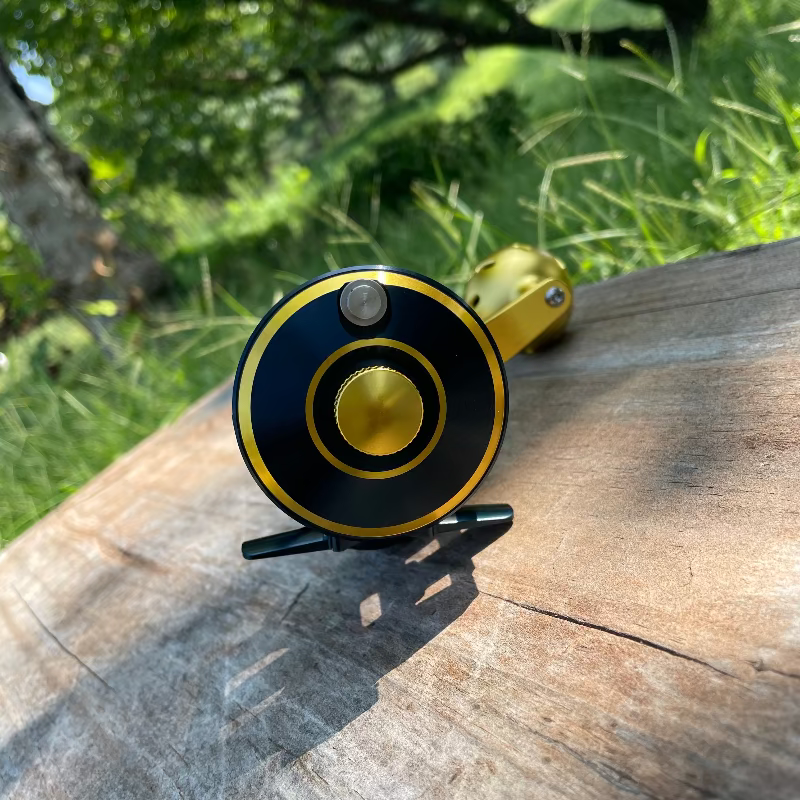
Round 2: The Dark Horse — Goofish Abyss Jigger Reel
Now, let’s gush about the Goofish Abyss Jigger Reel—a reel anglers whisper about but rarely review. At first glance, it’s not flashy. But after 50+ casts in rough surf (think 15mph winds, 6ft swells), I get why diehards love it. Its titanium - coated spoolresisted corrosion even after I accidentally left it saltwater - soaked for a week. And the drag? A 20lb max pull that felt consistent from start to finish.
Here’s the kicker: It’s budget - friendly. I used it to land a 40lb amberjack off North Carolina’s Outer Banks—no hiccups, no backlashes. Anglers on FishBase Forumcall it “the poor man’s high - end jig reel”—and they’re not wrong. If you’re new to saltwater jigging, this is your “no - regrets” starter.
Round 3: The Big - Game Beast — Conventional Jigging Reel
When “big” means 100+lb tuna, you need a conventional jigging reel. These reels are built like tanks—thick frames, massive drag systems (some hit 40lb+), and gears designed for sustained pressure. I tested a flagship model during a month - long Pacific trolling trip. Hooking a 250lb yellowfin? The reel’s centrifugal braking systemkept line from peeling off, even as the fish made darting runs.
Tech Talk:Conventional reels use “star drags” or “lever drags”—lever drags offer finer control for big game. Also, check for “mag - sealed” components—they prevent saltwater intrusion into the gear train. My only gripe? They’re heavy. But hey—you don’t need lightness when you’re reeling in a grander.
The Underdogs: Other Reels Worth Your Time
We tested 2 more reels that didn’t make the “Top 3” but deserve shoutouts:
-
Lightweight Inshore Jig Reel: Perfect for amberjack in shallow Florida flats. Its carbon - fiber bodykept weight under 12oz, so long days didn’t kill my arms.
-
Budget Spinning Jig Reel: For anglers who prefer spinning gear. It handled 20lb braid fine, though saltwater corrosion was noticeable after a month.
Long - tail searches like “saltwater jigging reels for amberjack” or “high - speed saltwater jigging reel reviews” matter here—anglers want specifics. So if you’re targeting mid - size fish (20 - 60lb), these budget - friendly options won’t let you down.
What’s the “Right” Reel For You?
-
Newbies: Start with the Goofish Abyss—it’s affordable, durable, and forgiving.
-
Intermediate Anglers: Grab a 2 speed jigging reel—versatility for different depths and species.
-
Veterans/Big - Game Hunters: Invest in a conventional jigging reel—power and precision for giants.
Personally? I keep a 2 - speed for most trips and the conventional for offshore tournaments. Oh, and that Goofish Abyss? It’s my backup—because you never know when a surprise grouper will strike.
Drop a comment: What’s your go - to saltwater jigging reel?And if you found this guide helpful, share it with a buddy—every angler deserves a reliable reel.


0 comments