

Essential Hiking Fishing Rod Accessories: The Backcountry Angler's System for Success
Hey there, wilderness wanderer! 👋 So you’ve got that call—the one from a distant alpine lake or a hidden forest stream. You’ve already zeroed in on the dream of finding the best backpacking fishing rod to strap to your pack. Smart move. But let me share a hard-earned truth from countless miles on the trail: The rod is only the conductor. The accessories are the orchestra that makes the music.
Choosing the perfect best backpacking fishing poles is step one. But without the right supporting gear, that brilliant rod is just a fancy stick. I learned this the humbling way, and today, I’m going to ensure you don’t make the same mistakes. We’re diving beyond the basics into the system—the portable reels, intelligent bait boxes, and tiny details that transform a hopeful cast into a guaranteed catch, miles from the trailhead.
The Lesson from a Parched, Fishless Lake
Years ago, in the high Sierras, I was the poster boy for misplaced priorities. I’d splurged on a top-tier, ultra-light graphite backpacking rod. It was a masterpiece of engineering. My accessories? An afterthought. I tossed a heavy, bulky spinning reel from my big-water kit and a cheap, single-compartment bait tub into my pack.
After a grueling 8-mile hike to a legendary lake, I was exhausted but eager. I assembled my rod, attached the reel… and immediately felt the imbalance. The heavy reel made the feather-light rod tip feel sluggish. Worse, under the midday sun, my nightcrawlers in their flimsy box had turned into a sad, cooked mess. I fished for hours with ineffective bait and a clumsy setup. The trophy trout were laughing. I hiked out humbled, vowing never to let gear mismanagement rob me of a moment like that again.
The Heart of the System: Choosing Your Portable Reel
Your reel isn’t just a line holder; it’s the engine of your backcountry setup. For hiking, “portable” means more than just small. It’s a philosophy of maximizing function per gram.
The Weight-to-Performance Calculus
Every ounce counts, but don’t fall into the “lightest at all costs” trap. A reel that’s too light often sacrifices drag washers and gear durability. The sweet spot is a lightweight spinning reel in the 150g to 250g range. Why? This weight allows for a robust, multi-disc drag system. When a wild trout makes a sudden run for submerged logs, a smooth, adjustable drag is your only defense. According to a comprehensive field test by Outdoor Gear Lab, reels in this class with sealed carbon drags consistently outperformed ultralight models in durability and fish-fighting control on extended trips.
Gear Ratio & Retrieval: The Silent Efficiency Hack
Here’s a pro tip often overlooked: for stream and small lake fishing, a moderate gear ratio (5.2:1 to 5.8:1) is actually superior to a high-speed (6.2:1+) reel. It provides more cranking power for its size, better handles the stop-start retrieve of lures, and is less prone to gear wear. It also helps you slow down and work the water more thoroughly—a key to success in pressured backcountry waters.
The Perfect Match: Pairing this with your best backpacking rod is crucial. A well-balanced combo feels like an extension of your arm. Before you buy, if possible, attach the reel to the rod. It should feel neutral, not tip-heavy or butt-heavy.
Bait Boxes: Your Secret Weapon for Freshness
In the backcountry, bait is gold. Keeping it viable is a science.
The Thermodynamics of a Happy Worm
That sad Sierra story taught me about insulation and thermal mass. A simple plastic box turns into a solar oven. The solution is a double-walled, insulated bait box. The principle is the same as a quality water bottle: the air gap between walls drastically slows heat transfer. I now use a small, foam-lined box. Even on a 75°F day, the interior stays cool enough to keep worms lively for over 24 hours.
Compartmentalization: The Tactical Advantage
A single compartment is a recipe for a “bait soup.” Look for a box with at least two separate, sealable chambers. Here’s my field-tested system:
-
Chamber 1: Live bait (worms, grubs) in their native, moist soil.
-
Chamber 2: Artificial soft plastics or pre-tied fly fishing leaders.
This keeps your natural bait healthy and your artificials clean and ready, preventing the dreaded scent contamination that can turn fish off.
Building Your Integrated Backcountry Fishing System
Now, let’s tie it all together. Your rod, reel, and bait are the core. These accessories complete the professional-grade system.
-
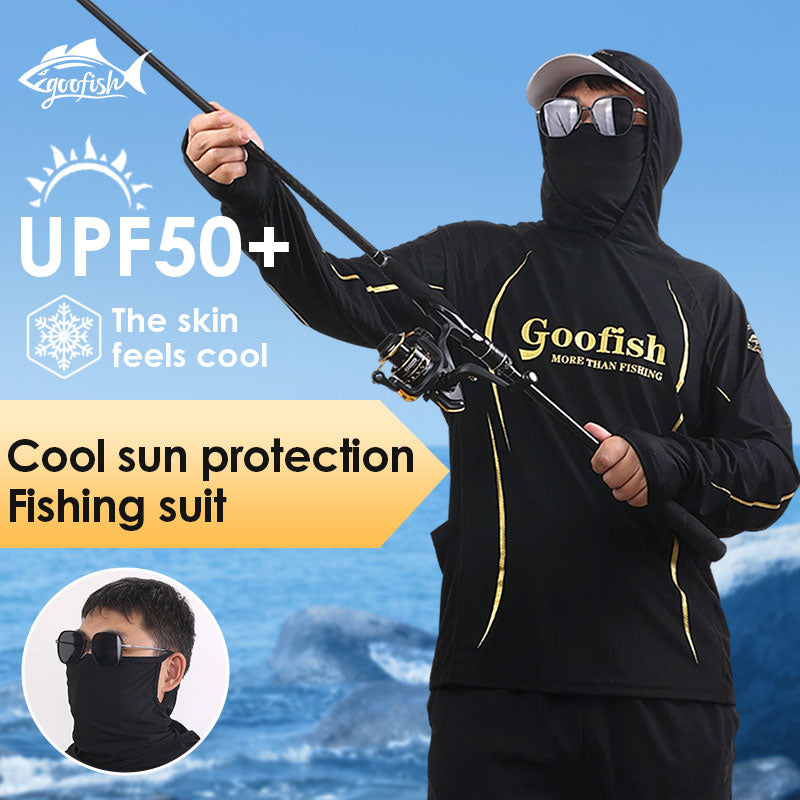
The Foundational Rod: When searching for the best backpacking fishing rod and reel combo, prioritize multi-piece rods (4-6 pieces) that pack down to under 20 inches. Look for a fast or medium-fast action graphite blank—it’s sensitive enough to detect subtle takes with light line but has the backbone for a solid hookset. A rod like the Goofish Pole often exemplifies this packable, no-nonsense design perfect for adventurers.
-
The Indispensable Line Manager: Never hike in with your line on the reel exposed. A portable line spool holder or simply a cardboard line keeper prevents tangles in your pack and allows for quick line changes on the shore—say, from 4lb to 6lb test if you find bigger fish.
-
The Micro Tackle Solution: Ditch the bulky plastic box. A small, magnetic fly box or a flat, silicone-lined multi-compartment wallet can hold a season’s worth of small spinners, hooks, splitshot, and flies. It’s about curation, not carrying your entire garage.
-
The Safety & Accessory Must-Haves:
-
Compact Pliers/Forceps: For deep hook removal. Get the titanium ones—they’re lighter and won’t rust.
-
Mini-Dykes (Line Clippers): Often built into pliers, or use a small pair of nail clippers on a carabiner.
-
A Fishing License Holder (Waterproof): The most forgotten, most critical piece. Keep it dry and accessible.
-
The Final, Life-Changing Hack: The “Ready Rig”
Before I even lace up my boots, I pre-rig my best backpacking rod. I tie on a small swivel, then a 18-24 inch fluorocarbon leader to a favorite lure or hook, and then I carefully wind the terminal tackle around the rod’s reel seat, securing the hook point in a guide. The reel, with line, is stored separately. When I get to the water, I’m fishing in 60 seconds flat, not fumbling with knots as the evening hatch begins.
Your Adventure Awaits
Remember, the goal isn’t to carry your entire tackle shop. It’s to carry a sophisticated, minimalist system where every item has a purpose and works in harmony. Your best backpacking rod is the star, but it needs a capable supporting cast. Invest in a thoughtful portable reel, an intelligent bait box, and those few, perfect accessories.
Do that, and you won’t just be a hiker who fishes. You’ll be a self-sufficient backcountry angler, ready for whatever lies beyond the bend in the trail.
What’s your number one “can’t-hike-without-it” fishing accessory? Or do you have a gear failure story that made you a better preparer? Share your wisdom in the comments below—let’s help each other fish smarter out there! 🌲✨



0 comments